


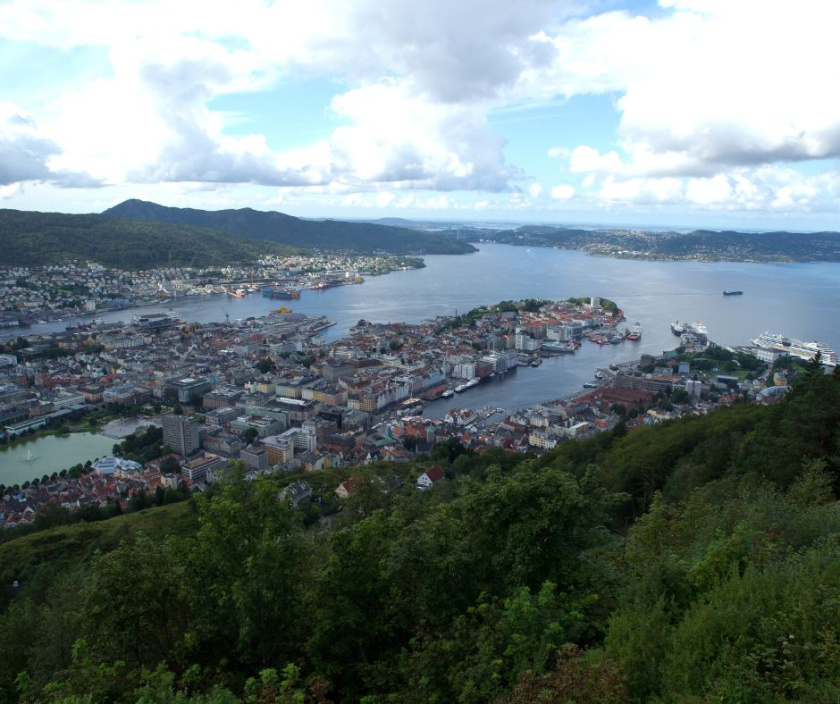
A new study from Bergen, Norway shows a significantly higher concentration of microplastics on land than in the sea.
After four years of studying microplastics in suburban areas, the Urban Microplastics project has now been completed. The surveys have been carried out by the research centre NORCE in collaboration with the Urban Environment Agency in Bergen municipality, and are financed by the Regional Research Fund Vestland.
Marine littering and stray waste is a growing and serious environmental problem that has received a lot of attention over the past 10-15 years. Microplastics are found all over the globe, from the deep sea to the fresh snow in Antarctica. However, seeing as microplastics in cities have been little studied so far, the research from Bergen will be useful for several cities and municipalities both nationally and internationally.
Particularly densely populated areas are sources of the spread of plastic, which probably also contributes to large emissions of microplastics into the environment. Nevertheless, it is mostly microplastics in the sea that most people have heard of
says project manager Marte Haave from NORCE.
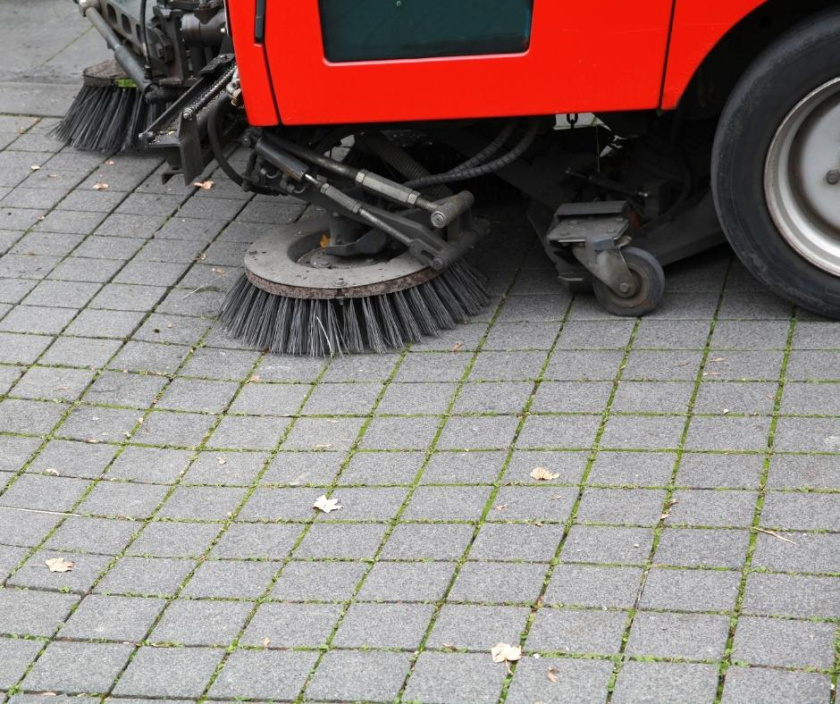
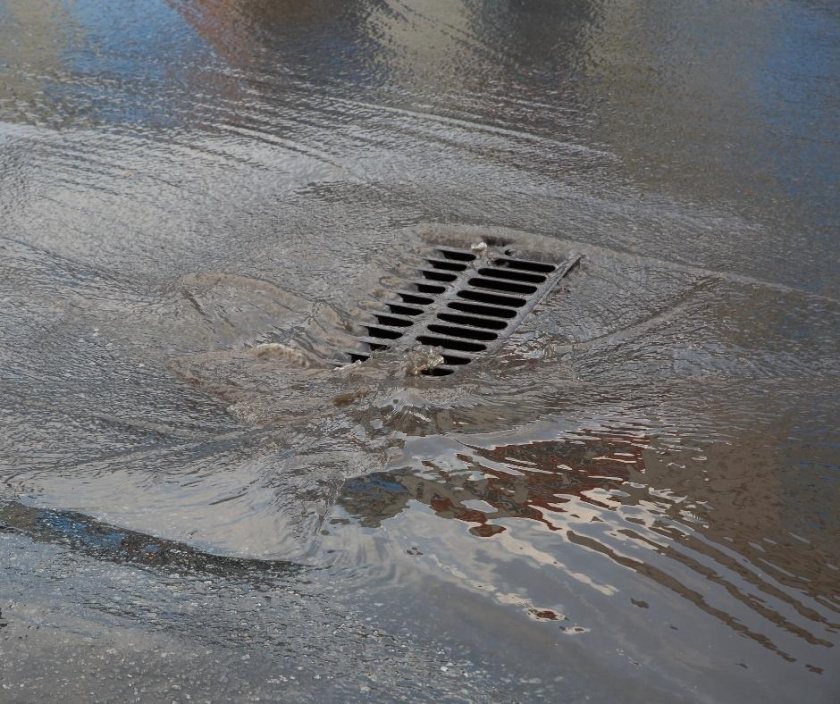
The recent study confirms very high concentrations of microplastics in suburban areas, compared to in an urban fjord, where the highest concentration measured with the same method was a thousand times lower than the average in city streets. Some of the microplastics originate from littering, some from plastics that are typically used in food packaging and drink bottles, while a large proportion comes from the wear and tear of car tyres. High concentrations of microplastics were found in sweeping machine brushes, and in sand catch basins that receive stormwater and everything else that is washed into stormwater drains from the streets.
The amount of traffic had a clear connection with the amount of microplastics, and we found the most at hubs for heavy traffic. This points to a need to clean more often where there is the most traffic, whether in the city center or the suburbs. In the suburbs, the sand traps had approximately the same amount of microplastic as in the city centre, despite less traffic. This is probably connected to the fact that the streets are only cleaned once a year and that the plastic therefore has plenty of time to run off and collect in sand traps,
explains Haave.
For Thor Haakon Bakke, city councillor for Climate, Environment and Transport, the findings from the study constitute an important knowledge base for reducing the amount of microplastics in Bergen.
The municipality operates over large areas and performs many different tasks. Small changes in the execution of these tasks therefore have a great potential to reduce emissions of plastic. We will work further with the results and assess how we can introduce the most effective measures possible,
says Bakke.
He says that in recent years the municipality has already implemented several measures that will reduce the spread of microplastics, for example the development of the waste network which prevents overfilling of waste bins and ensures more efficient transport of waste out of the cities.
The results have also shown that there is a need for some follow-up studies. That is why we are in the process of investigating the optimal utilization of the sand traps as small treatment plants, and the development of cleaning methods so that sweeping brushes can be reused in a safe way that does not contribute to pollution or the spread of microplastics,
he explains.
The city council also says that rubber from sports fields and playgrounds is another challenging problem that contributes to the spread of microplastics, and that Bergen municipality is now testing more environmentally friendly substrates and solutions.
On artificial grass pitches, we have introduced a number of measures against the spread of granules from existing pitches, and it is pleasing to see that the investigations from the “Urban microplastics” project showed that the measures worked as intended on the pitch that was included in the study,
says Bakke.
There were also measurable amounts of plastic in the city mountains, mostly at junctions such as the top of the Ulriksbanen, but also on the hiking trails along the plain. Rubber, which can come from shoes and bicycle tyres, and plastic from hiking equipment and clothing was measurable, but in much lower quantities than in the city. Microplastics were also found at the reference location, a remote mountain in Vikedal far from people.
It is another proof that plastic is everywhere, and probably there is actually more microplastic than what we capture since we have limitations in how small particles we can analyze with current methods,
says project manager Marte Haave about the result.
What is certain in any case, and which this study finally puts numbers on, is how much more effective it will be to prevent emissions from important areas such as streets and sand traps, than to clean up after the microplastics have spread to our fjords ,
emphasizes Haave.
The full report can be read, in Norwegian, on NORCE’s website.