


 Chemical Pollution
Home >
Mission and Vision
United for Healthy Seas and Coastal Communities
KIMO’s vision is a world where healthy seas and clean beaches support thriving coastal communities for generations to come. Our mission is to unite and represent local governments in preventing pollution and protecting, preserving and enhancing the marine and coastal environments of the North-East Atlantic, North Sea, Irish Sea and Baltic Sea. By bringing municipalities together, KIMO enables members to share knowledge, influence environmental policy, develop practical solutions and deliver projects with real local impact. Through collaboration, innovation and strong international partnerships, KIMO empowers coastal communities to address today’s marine challenges while safeguarding the seas that sustain people, wildlife and local economies.
To deliver our mission we:
- Represent our members with a powerful and united voice at international decision making process.
- Develop and take part in projects with real focal impacts.
- Create opportunities to exchange knowledge and experience internationally.
- Keep our network up to date with important developments in international laws and regulations.
Representing our members with a powerful and united voice at international decision making processes
We represent our members at the international level (e.g. International Maritime Organisation, UNEP), EU level (European Parliament, European Commission) and regional level (e.g. OSPAR, HELCOM, CPMR).
We also collaborate with NGOs internationally, nationally and regionally to make joint proposals against emerging threats. For example, with regards to microplastics pollution from textiles.
Developing and taking part in projects with real local impacts
We look to implement practical solutions to marine environmental problems. And we seek funding to run demonstrative projects which allow our members to highlight these solutions to governments and policymakers.
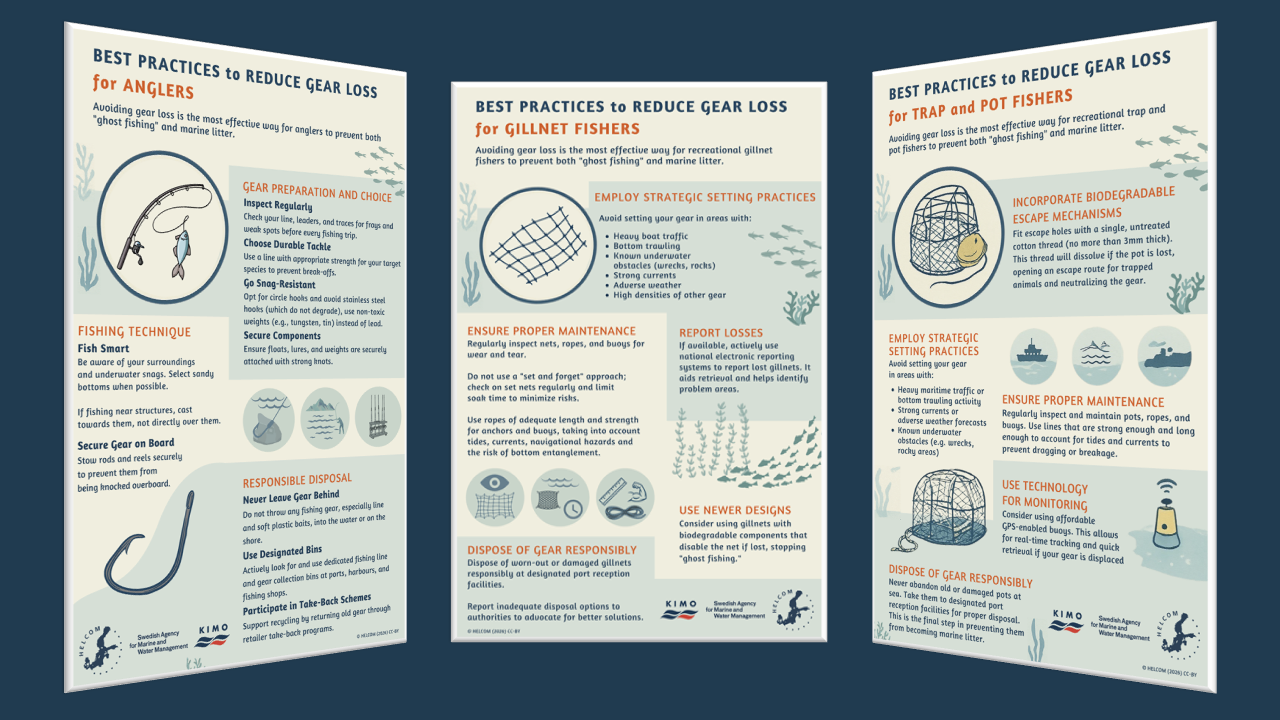
We conceived Fishing for Litter, a successful scheme which our members directly manage in the UK and the Netherlands. Fishing for Litter has been hugely successful in encouraging fishermen to take ashore litter and abandoned, lost or discarded fishing gear (ALDFG) that they find during their normal fishing activities.
Our PitchIN project, developed together with Scottish NGO Fidra, has also been instrumental in raising awareness about the contribution of artificial sports pitches to microplastic pollution – and in highlighting abatement measures and alternatives.
Creating opportunities to exchange knowledge and experience internationally
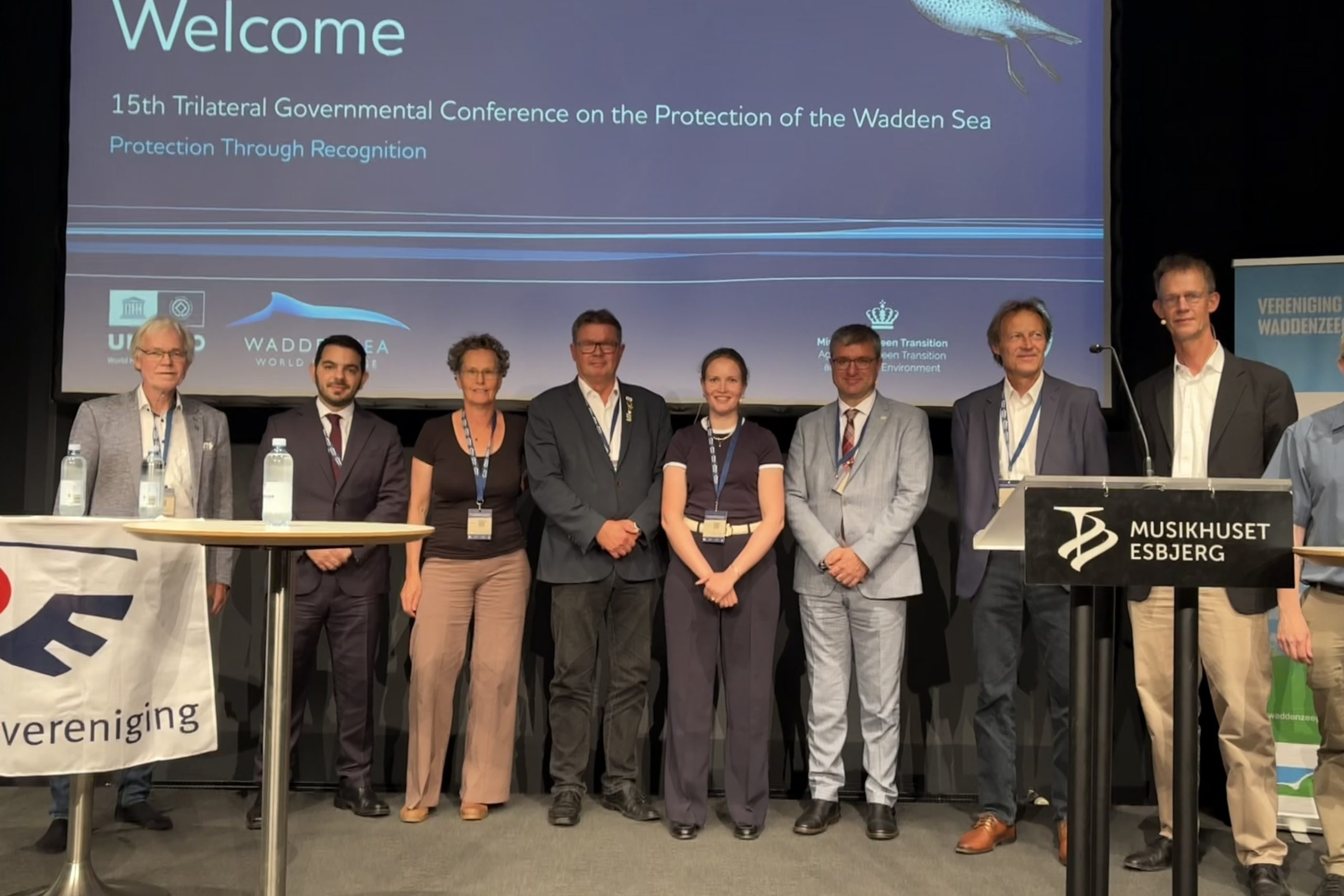
Each year we host an Annual Conference, with guest speakers, workshops and discussions about crucial issues affecting the marine environment. These meetings are a unique opportunity to meet, exchange experience and network with politicians, local government officials and other key stakeholders.
Our Annual Conference is also an opportunity to showcase the best of a city or region on the international stage, with one of our member municipalities playing host to the meeting each year. For example, the most recent meetings were held in Falkenberg, Sweden (2023) and Tórshavn, Faroe Islands (2022).
We also conduct research, produce reports and write best practice guidelines. We work in collaboration with academics, research institutions and other organisations to ensure that the information and evidence-base used to back up our lobbying is both accurate and contemporary.
For example, see our work on microplastic pollution from artificial sports pitches, net cuttings pollution from the fishing industry and microplastic emissions from textiles.
Keeping our network up to date with important developments in international laws and regulations
With news updates on our website and through our national coordinators, we keep our members informed about important issues that affect their work. We also have Facebook, Twitter and LinkedIn profile. And you can sign up for our email updates.
Want to view more resources by KIMO?
Visit our knowledge hub
Frequently Asked Questions
KIMO combines representation and advocacy with practical projects, knowledge-sharing and collaboration. It represents members in regional, European and international decision-making processes, develops projects with local impacts, shares experience across its network and keeps members informed about developments in environmental policy and regulation.
Coastal municipalities often experience the immediate and long-term consequences of marine pollution, including the costs and practical challenges of responding to pollution incidents. KIMO brings these local experiences together so that municipalities can share solutions and collectively influence decision-makers at national, regional and international levels.
KIMO uses the experience and evidence generated by its member municipalities to inform advocacy and policy discussions at regional, European and international levels. At the same time, KIMO brings information about emerging legislation, policy and environmental challenges back to its members.
Yes. Although KIMO has a strong focus on coastal municipalities, the Strategy 2026–2030 explicitly recognises that waterways are interconnected. Riverine municipalities are therefore also welcomed as members where their communities face environmental challenges connected to the marine environment.
Municipalities contribute by sharing their experience and priorities, participating in KIMO’s network and projects, supporting practical solutions and working collectively to influence environmental policy. KIMO’s strategy emphasises cooperation and collaboration as central to tackling the challenges facing the marine environment.
Action Areas Overview

Marine Litter
We prevent and reduce ocean, riverine and microplastic litter through awareness, advocacy, best-practice projects and practical solutions.
Find out more

Chemical Pollution
We reduce chemical pollution by increasing knowledge, advocating for stronger legislation, applying the precautionary principle and supporting polluter responsibility.
Find out more

Maritime Safety and Pollution
We improve maritime safety and reduce pollution by advocating for strengthened emergency response, shipowner liability and support for coastal clean-up.
Find out more
Latest News & Press Releases
Chemical Pollution