Skip to content

History

Shaping Cleaner Seas Since 1990

Since its foundation in 1990, KIMO International has grown from a small network of pioneering coastal municipalities into a respected international organisation influencing marine environmental policy across Northern Europe. Through evidence-based advocacy, innovative projects and practical partnerships, KIMO has helped drive significant progress on issues including marine litter, chemical pollution, maritime safety and sustainable coastal management. Looking ahead, KIMO’s Strategy 2026–2030 builds on this legacy by strengthening international collaboration, delivering practical solutions for coastal communities and addressing emerging environmental challenges. By combining local action with international influence, KIMO will continue working towards cleaner, healthier and more resilient seas for future generations.

1990

KIMO International is founded by coastal municipalities from Denmark, Norway and the UK to tackle marine pollution through international cooperation.

1993

KIMO’s expanding membership establishes the organisation as the collective voice of coastal local authorities across Northern Europe.

1995

KIMO plays a major role in the 1995 Brent Spar crisis by joining forces with Greenpeace to oppose Shell’s plan to sink the obsolete oil storage buoy in the deep Atlantic Ocean.

1996

KIMO mobilizes local coastal municipalities around the North Sea to pressure political leaders and corporate entities against ocean dumping of oil rig infrastructure.

1998

The joint pressure successfully lobbies the OSPAR Commission to tighten rules, eventually banning the disposal of decommissioned offshore oil installations into the sea.

1998

KIMO brings international attention to radioactive contamination from Sellafield after technetium-99 is detected in Norwegian shellfish, helping drive pressure for reduced discharges and improved operational practices.

2004

Fishing for Litter launches, pioneering a voluntary partnership with commercial fishers to remove marine litter accidentally caught at sea.

2010

KIMO publishes its landmark Economic Impacts of Marine Litter report, quantifying the financial burden of marine litter on coastal municipalities.

2010

KIMO begins lobbying for mandatory verification of shipping container weights to reduce container losses, marine pollution and navigational hazards.

2011

Members adopt a resolution calling for improved Emergency Towing Vessel provision to better protect lives, coastlines and the marine environment.

2013

KIMO publishes the influential Feasibility Study on Fishing for Litter, helping expand the initiative across Europe and demonstrating its environmental benefits.

2014

KIMO releases Guidelines for the Development of Fishing for Litter Schemes, providing a practical blueprint for ports and fishing communities.

2016

Following sustained advocacy, international regulations requiring verified shipping container weights enter into force, achieving a major KIMO campaign objective.

2016

KIMO’s lobbying helps secure continued Emergency Towing Vessel provision protecting Scotland’s northern waters.

2017

KIMO publishes its first comprehensive report documenting the environmental and economic impacts of paraffin pollution on North Sea and Baltic coastlines.

2019

Fishing for Litter Hub launches, creating a central resource for Fishing for Litter projects to share best practice, collaborate on research and support programme expansion across Europe.

2019

Pitch In launches in partnership with Fidra, helping schools and sports clubs reduce microplastic pollution from artificial grass pitches through practical guidance and community action.

2019

KIMO publishes report on Marine Litter at UNESCO World Heritage Sites, highlighting the global impacts of marine litter.

2019

KIMO’s Fishing for Litter network supports the clean-up following the MSC Zoe container loss, with Dutch fishers recovering hundreds of tonnes of marine debris from the North Sea.

2020

KIMO celebrates its 30th anniversary, marking three decades of practical environmental action, policy influence and international municipal collaboration.

2020

KIMO adopts a formal resolution calling for restrictions on scrubber wash water, highlighting the transfer of air pollution into the marine environment.

2021

After more than a decade of lobbying, international MARPOL amendments effectively end routine paraffin discharges, dramatically reducing pollution incidents.

2022

The Net Cuttings project launches, helping fishers prevent discarded net fragments entering the marine environment through improved handling and harbour practices.

2023

KIMO announces that paraffin pollution is finally in decline, following years of successful lobbying through OSPAR, HELCOM and the IMO.

2023

The Power Bio project begins, exploring innovative ways to transform marine biomass into renewable energy and sustainable bio-based products.

2023

KIMO publishes its Acute Plastic Pollution report, examining the causes, impacts and solutions for major plastic pellet and cargo spill incidents.

2023

The EU adopts landmark restrictions on intentionally added microplastics, including a phased ban on polymeric infill for synthetic sports pitches, following years of advocacy by KIMO and partners.

2023

HELCOM launches #CelebrateBetter – a campaign created in collaboration with KIMO to raise awareness of marine pollution from balloon releases and plastic confetti and promote responsible alternatives. ([helcom.fi][1])|2025 | KIMO’s International Secretariat relocates to Aalborg, Denmark, marking a new chapter for the organisation after 34 years of successful hosting by Shetland Islands Council.

2025

KIMO’s campaign against scrubber pollution achieves a major breakthrough as OSPAR ministers agree stronger action on contaminated scrubber discharge.

2025

Members adopt KIMO’s Strategy 2026–2030, providing a clear roadmap for tackling marine litter, chemical pollution and pollution from shipping.

2026

KIMO launches a Baltic-wide campaign with HELCOM and the Swedish Agency for Marine and Water Management, helping recreational fishers prevent gear loss, improve marking and reduce ghost fishing.

Today

KIMO continues uniting coastal municipalities to influence environmental policy, deliver innovative projects and safeguard healthy seas for future generations.

Projects

Fishing for Litter Netherlands
Marine Litter
Fishing for Litter Netherlands
Helping fishermen remove marine litter encountered during fishing and ensuring it is brought ashore, monitored, processed and recycled.
Find out more
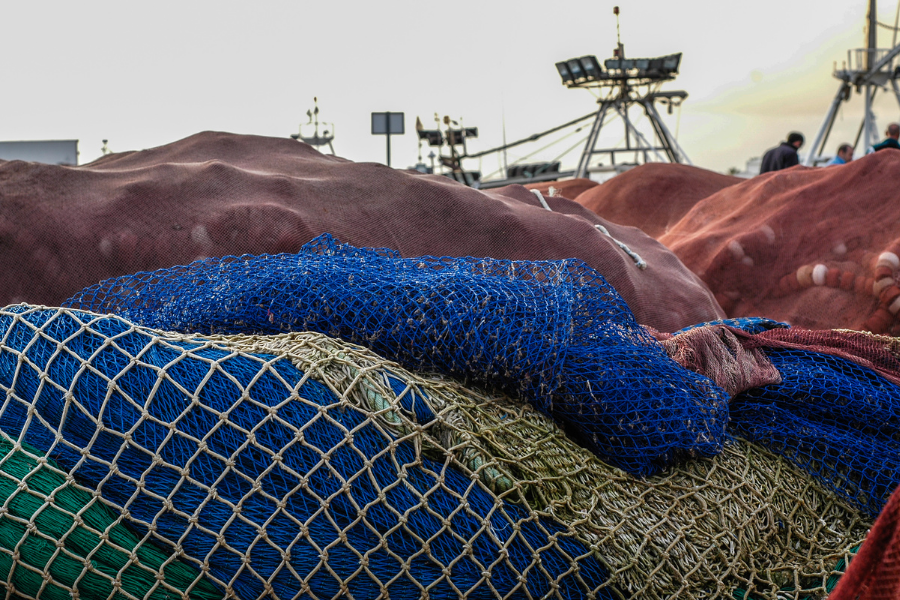
Fishing Net Recycling Scotland
Marine Litter
Fishing Net Recycling Scotland
A pilot scheme demonstrating how end-of-life fishing nets could be collected from Scottish harbours and recycled into new plastic products.
Find out more
Fishing for Litter Education Programme
Marine Litter
Fishing for Litter Education Programme
Educational resources helping primary-school children understand marine litter, its impacts on wildlife and what happens to plastic in the environment.
Find out more
Fishing for Litter Recycling Pilot
Marine Litter
Fishing for Litter Recycling Pilot
Testing ways to recycle waste collected through Fishing for Litter rather than sending marine litter to disposal, supporting a more circular approach.
Find out more