


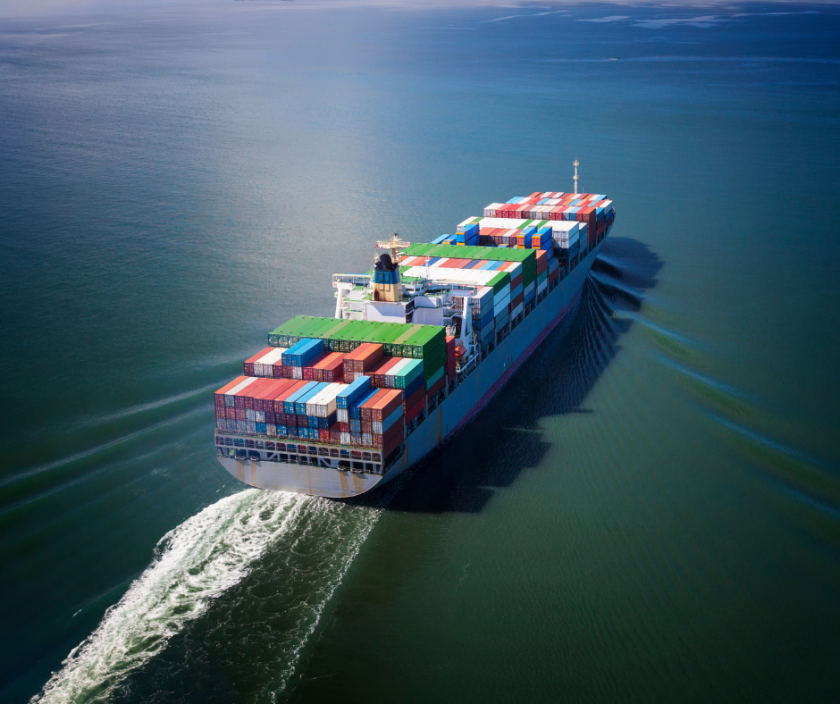
Scrubbers, or Exhaust Gas Cleaning Systems (ECGS), were introduced as an alternative compliance mechanism to help ships get around sulphur limits on maritime fuels and still meet the standards. While scrubbers reduce sulphur in exhaust gases, they increase emissions of carbon dioxide, particulate matter, and black carbon in the air.
Even more alarmingly, they transfer pollution from air to sea when their discharge water is dumped into the ocean contaminated with toxic substances such as polycyclic aromatic hydrocarbons (PAHs), heavy metals, nitrates, and acidic compounds. Moreover, scrubbers on ships have allowed the continued use of heavy fuel oil, one of the dirtiest liquid fossil fuels on the planet, delaying the transition of the shipping industry to cleaner alternatives.
The impacts on marine life
The impacts on marine life are severe and risk entering the human food chain. Even at very low concentrations, the toxic waste from scrubbers has been shown to cause immune suppression, reproductive harm, and increased mortality in a range of species from plankton and corals, to fish and marine mammals. These pollutants also have the potential to disrupt entire ecosystems by altering pH levels in sensitive habitats, leading to acidification of the ocean, and can impact human food sources especially in coastal and seafood-dependent communities.
The Open Letter
For all these reasons, KIMO has actively campaigned since 2020 for a ban on scrubber water discharges into the marine environment.
On 19 June 2025 we stood in solidarity with 20+ other environmental groups in signing an open letter from Seas at Risk urging OSPAR Environment Ministers to ban toxic wastewater discharge from scrubbers ahead of the OSPAR Ministerial Meeting in Vigo on 26th June 2025.
The OSPAR Ministerial Meeting in Vigo.
Ministers and senior representatives from the 16 Contracting Parties to the OSPAR Convention gathered in Vigo on 26th June 2025 for a landmark OSPAR Ministerial Meeting. At the heart of the meeting was the adoption of the Vigo Ministerial Declaration, an ambitious and shared political commitment to accelerate progress in response to the triple planetary crisis of climate change, biodiversity loss, and pollution.
KIMO’s Executive Secretary, Lisa Bugge Nør Larsen, addressed the OSPAR Ministerial Meeting saying
…we are delighted that the OSPAR contracting parties now take action against the discharge of scrubber water. However, prohibition in internal waters is only a first step and an extension to territorial waters is needed to obtain significant impact. We are hopeful for this to happen in 2027.
The Outcome
Following the combined efforts of many environmental organisations, OSPAR today announced the following meeting outcome with regards to scrubbers:
Expressing serious concern about hazardous discharges from all types of Exhaust Gas Cleaning Systems (EGCS) on ships, particularly in coastal zones, OSPAR agreed a staged ban on the release of discharge water from ships’ exhaust gas scrubbers in coastal waters. A roadmap to examine strengthening this by 2027 was also agreed.
Effectively this means that discharges from open-loop scrubbers, which use seawater to extract sulphur from exhaust gases before discharging the waste along with contaminants including polycyclic aromatic hydrocarbons (PAHs) and heavy metals back into the sea, will be prohibited by July 2027. Discharges from closed-loop scrubbers, which result in lower volumes but more concentrated waste, will be banned by January 2029. This marks the first time a regional regulation on scrubber discharges has been agreed.
This is a significant victory and a big step forward in the fight against banning scrubber discharges altogether. We are delighted to have played our part in this important moment and congratulate all our partners who have also worked hard to secure this outcome. We will continue to push for comprehensive international regulation to eradicate this form of pollution.