


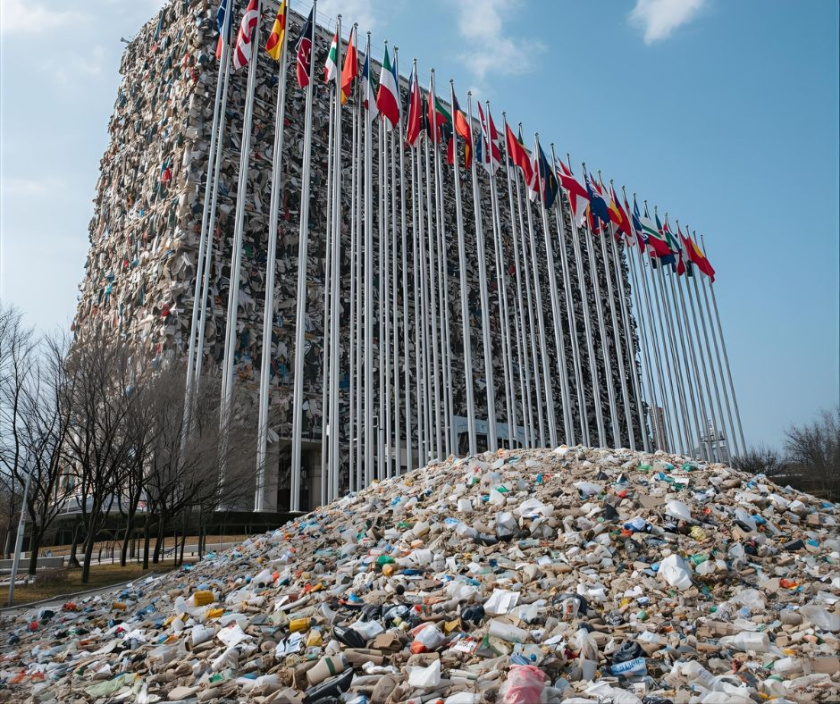
The fifth session of the Intergovernmental Negotiating Committee (INC-5), tasked with finalising a landmark global treaty to tackle plastic pollution, has concluded without an agreement. This failure represents a significant setback in the coordinated fight against the plastic crisis and underscores the urgent, irreplaceable role of local and municipal initiatives, the very foundation of KIMO International’s work.
What Was the Goal of the UN Plastics Treaty?
The UN Plastics Treaty was envisioned as a historic, legally binding agreement, akin to the Paris Climate Agreement, but for plastic pollution. Initiated in 2022, its overarching purpose was to address the entire lifecycle of plastic—from fossil fuel extraction and production to disposal and pollution. The international community had hoped for a robust framework that would include:
- Binding targets to dramatically reduce the production of virgin plastic polymers.
- Ambitious timelines for phasing out single-use plastics.
- Global standards for plastic product design and recyclability.
- Significant financial mechanisms to support waste management in developing nations.
As reported by the World Economic Forum, a successful treaty promised to “create a more circular economy for plastics,” preventing millions of tonnes of waste from entering our oceans and environment annually.
Why Did the Negotiations Fail?
Despite two and a half years of talks, deep divisions between member states proved insurmountable. The negotiations ultimately failed due to a fundamental conflict in approach:
- Ambition vs. Voluntarism: A High-Ambition Coalition of nations, including the European Union, Canada, and many island and coastal states, pushed for strong, binding global targets to cut plastic production. They argued that without curbing the source of the problem—ever-increasing production—efforts on recycling and waste management would be overwhelmed.
- Global Rules vs. Nation-Led Plans: Opposing this, a group of nations, including major plastic-producing countries and oil exporters, favoured a system of voluntary, country-specific plans focused primarily on waste management and recycling, resisting any binding global limits on production. This deadlock, primarily over the issue of production caps, could not be broken, leaving the treaty process in limbo and the world without a unified plan to tackle this growing environmental disaster.
A Global Failure Reinforces the Need for Local Leadership
The collapse of these high-level talks is a stark reminder that international consensus moves slowly, often lagging far behind the escalating urgency of the plastic pollution flooding our coastlines and harming marine life.
This failure at the international level is disappointing, but it does not absolve us of the responsibility to act,” said Cllr Trish Robertson, President for KIMO International. “In fact, it re-emphasises the importance of local action. While nations debate, municipalities and local authorities are on the front lines, dealing with the tangible consequences of plastic waste every day. Our communities cannot afford to wait.”
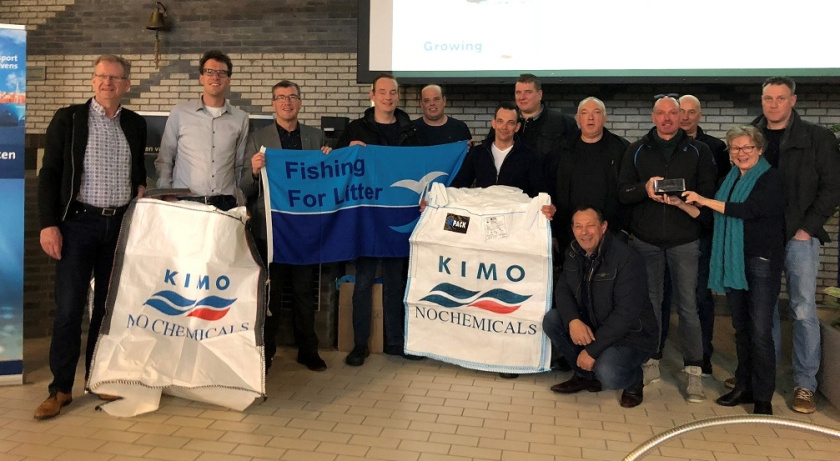
KIMO’s Role: Action Where It Matters Most
For over 30 years, KIMO International has operated on the principle that local action is the engine of global change. The failed UN talks make our network’s mission more critical than ever. We provide the practical tools, shared knowledge, and collaborative platforms for municipalities and local authorities to take immediate and effective action:
- Lobbying for effective waste management and reduction schemes.
- Pioneering projects like Fishing for Litter, where fishermen directly retrieve marine litter.
- Advocating for and testing circular economy solutions at a local level.
- Connecting communities across borders to share best practices and amplify our collective voice.
The need for a strong global treaty remains, and KIMO will continue to advocate for one. However, the present outcome is a clear call to action. We urge our members, partners, and all local leaders to redouble their efforts. By demonstrating what is possible through local initiative, we not only protect our immediate environment but also build the momentum and evidence base needed to push for stronger international agreements in the future.
National governments may have stalled progress on a global plastics treaty, but our work continues.
About KIMO International:
KIMO International is a network of municipalities working together for healthy seas, clean beaches, and thriving coastal communities. We bring municipalities together to find practical solutions to marine pollution problems and advocate for stronger environmental policies at all levels.