

At the start of 2025, the European Commission launched a call for evidence to shape the European Oceans Pact. The Commission invited stakeholders to contribute their unique knowledge in order to shape the Pact, which it aims to present either prior to or at the 3rd UN Ocean Conference in June 2025.
The stated aim of the European Oceans Pact is “to bring coherence across all EU policy areas linked to oceans… focus on supporting resilient and healthy oceans and coastal areas [and] promote the blue economy”. Specifically, the Pact will look at these three areas:
- How we affect the ocean
- How the ocean affects coastal communities
- The opportunities that the ocean provides us with
The call for evidence thus presented KIMO International with a golden opportunity to make our voice heard, highlighting the key priorities of our members to policymakers in Europe and across the globe.
Following on from an internal consultation of all the KIMO national networks, the International Secretariat has submitted the following response to the EU’s call for evidence:
Shaping the European Oceans Pact

Coastal Communities at the heart of marine policies
With a vision of healthy seas, clean beaches and thriving coastal communities, KIMO unities more than 75 local governments dedicated to preserving and enhancing the seas and coastal waters of the North-East Atlantic and Baltic Regions. Recognizing the need for ambitious action to protect the marine environment while ensuring a sustainable maritime industry KIMO welcomes the European Commission’s initiative to establish an Ocean Pact that takes an integrated approach to ocean governance.
Having represented and voiced the perspectives of coastal communities for more than 30 years KIMO offers unique insight in the challenges that our oceans faces and how they affect the coastal communities that feel their effects the most. KIMO welcomes an inclusive approach with involvement across sectors, public authorities, citizens and relevant stakeholders and emphasizes the importance of putting coastal communities at the heart of the development and implementation of marine policies to ensure that they are both effective and equitable.
By addressing both environmental, economic, research and social aspects in the Oceans Pact, we can ensure a sustainable, inclusive and resilient future for our oceans and coastal communities. In particular KIMO encourages the Oceans Pact to address the following:
Marine litter
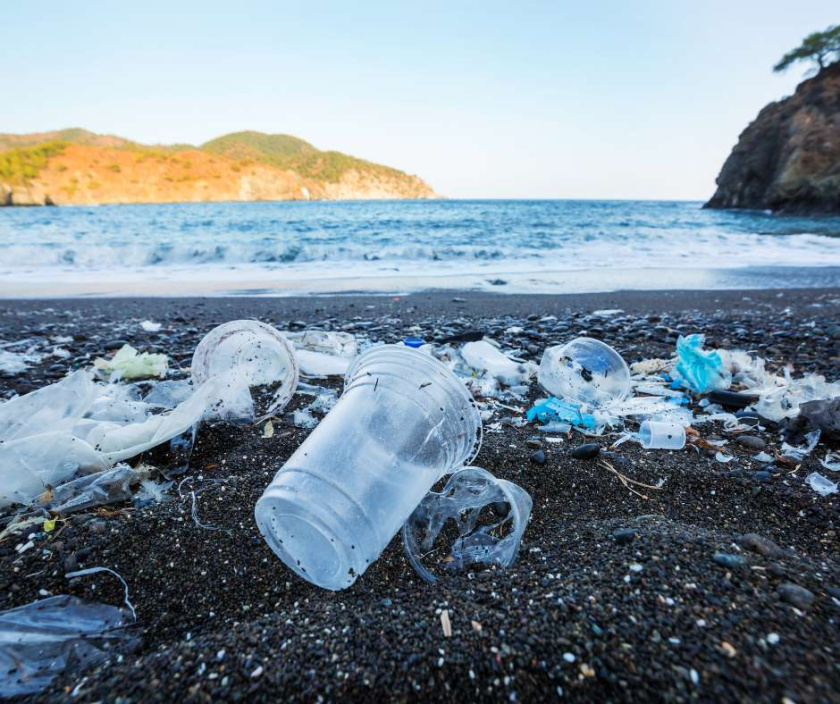
Estimates warn that by 2050 the quantity of plastics in the oceans will outweigh that of fish. While marine litter has been on the agenda for several years the magnitude of the problem and its many facets demand that we continue to strive for more ambitious practices across industry and citizens. Because pollution from marine litter is caused by more than trash that, deliberately or indirectly, ends up in the ocean. It is everything from lost and abandoned fishing gear, plastic pellets and used plastic confetti to less visible pollution such as plastic microfibers used in textile production and microplastic used for artificial sports fields. KIMO urges the Oceans Pact to include a robust strategy to combat plastic pollution and marine litter, as they are key threats to the health of our oceans.
Chemical pollution
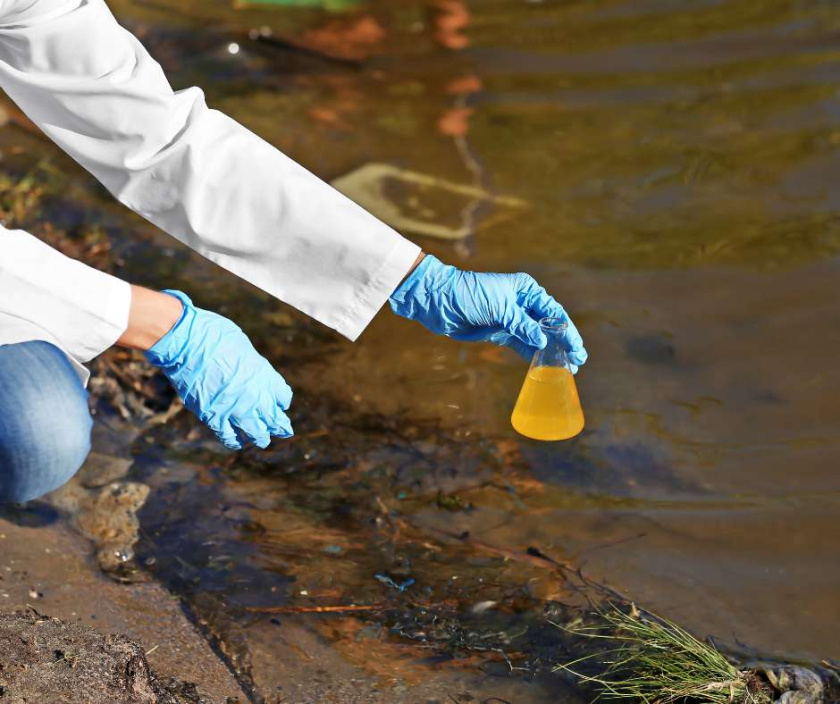
Although the effects of marine litter are easily visible, chemical pollution caused by hazardous substances presents a separate but equally important challenge. KIMO urges the Oceans Pact to take ambitious action to reduce chemical pollution and their source, such as ballast water, noise pollution, and land-based sources of toxic chemicals, including radioactive wastes and to expand research into the impact of chemical pollutions and feasible alternatives.
Such effort must include dedicated action to address the dangers of per- and polyfluoroalkyl substances (PFAS) also known as “forever chemicals”. Although knowledge about the negative impact of PFAS in the ocean is still limited, PFAS have been frequently observed to contaminate groundwater, surface water and soil. The REACH restrictions from February 2023 were an important step in the right direction, but with PFAS covering almost 5000 compounds KIMO urges for a comprehensive ban on all PFAS compounds to protect both marine ecosystems and public health.
Sustainable Fisheries and Coastal Communities
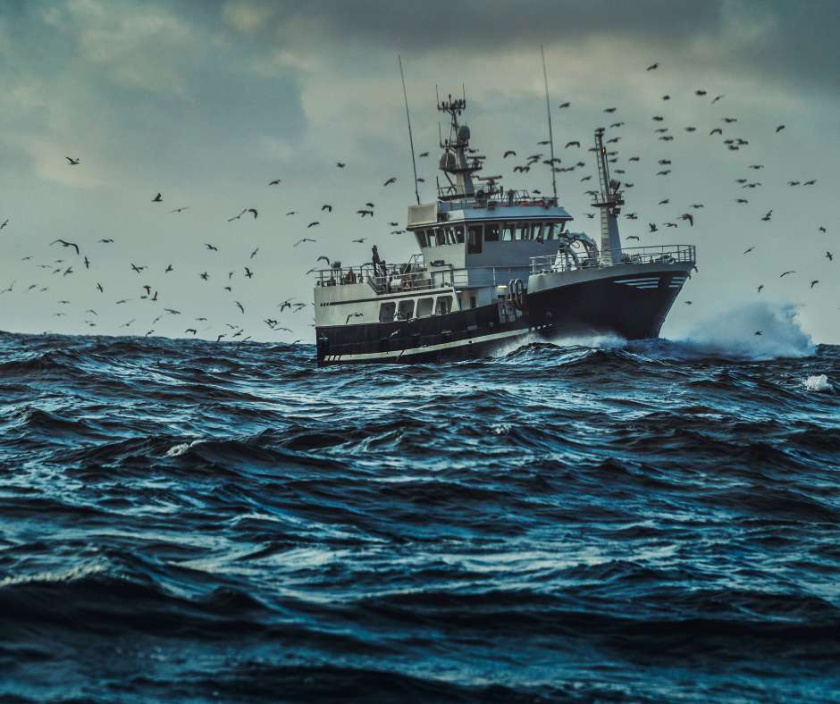
Vessels, from fishing vessels to offshore supply ships and renewable energy platforms, are essential to practically all sectors of the blue economy and to the EU’s competitiveness. KIMO urges that the Oceans Pact emphasizes the need for sustainable fisheries management that ensures the competitiveness of the industry and includes eco-friendly vessels and technologies.
The Social Dimension
While the Oceans Pact intends to take a holistic approach with the engagement of perspectives from coastal communities, the Oceans Pact should be even more ambitious in actively supporting coastal communities so that these communities stay resilient. To foster resilience and improve social acceptance across ocean-based industries KIMO urges the Oceans Pact to include a dedicated objective or cross-cutting elements that address the social license to operate within the marine sectors.
A unique opportunity and a shared responsibility
The sustainability of the oceans and the industries that depend on them requires not only an integrated and holistic approach but an ambitious approach where we strengthen ocean literacy by reacting on the knowledge that we have, seeking knew knowledge where needed and daring to think in new ways and alternative practices.
We look forward to collaborating in shaping the future of European ocean governance.