


KIMO is relaunching the #CelebrateBetter campaign, urging an end to balloon releases and plastic confetti, which pose severe threats to marine ecosystems.
“We’re not saying ‘Don’t celebrate’. Continue your traditions, be joyful, have fun. With just a little thoughtfulness and small adjustments, you can have a wonderful celebration which doesn’t harm the natural environment we’re all dependent on” says Lisa Bugge Nør Larsen, Executive Secretary of KIMO.
Join the Movement
Governments, businesses, and individuals can help by:
✔ Avoiding balloon releases at events.
✔ Choosing plastic-free confetti.
✔ Supporting policies that ban single-use celebration litter.
Keep an eye on our social media channels in the coming weeks and don’t forget to #CelebrateBetter!
Call for Stronger Legislation
KIMO is pushing for:
- EU-wide bans on mass balloon releases.
- Extended Producer Responsibility (EPR) for balloon and confetti manufacturers to fund cleanups and awareness campaigns.
For more details read KIMO’s 2015 Resolution on Balloon Releases
Sustainable Celebration Alternatives
The #CelebrateBetter campaign encourages environment-friendly festivities with these alternatives:
Instead of Balloons:
✔ Soap bubbles – Float away harmlessly.
✔ Kites, flags, or pinwheels – Colourful, reusable, and safe.
✔ Tree planting – A lasting memorial that benefits nature.
Instead of Plastic Confetti:
✔ Biodegradable options – Flower petals, birdseed, or dried leaves.
✔ Natural confetti – Made from recycled paper or lavender buds.
Balloon Debris: A Deadly Threat to Marine Life
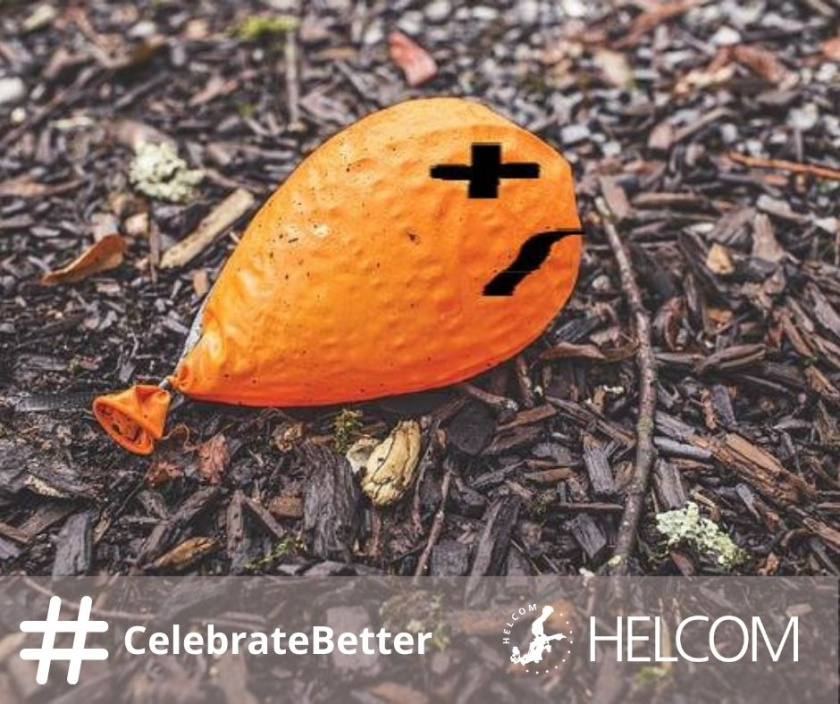
Millions of helium-filled balloons are released annually, eventually falling into the ocean where they become lethal hazards. Studies from Sweden, the Netherlands, and the UK show that balloon fragments rank among the top 10 most common beach litter items.
- Ingestion Risk: Marine animals, including turtles, dolphins, and seabirds, mistake floating balloons for jellyfish or other prey. Once ingested, balloon fragments can block digestive systems, leading to starvation, internal injuries, and death.
- Chemical Toxicity: Latex balloons, even those labelled “biodegradable,” can take over a year to break down in seawater. As they degrade, they may release harmful chemicals, further poisoning marine life.
- Entanglement Danger: Balloon strings and ribbons ensnare marine creatures, restricting movement, causing wounds, and even drowning seabirds and seals.
Plastic Confetti: A Microplastic Menace
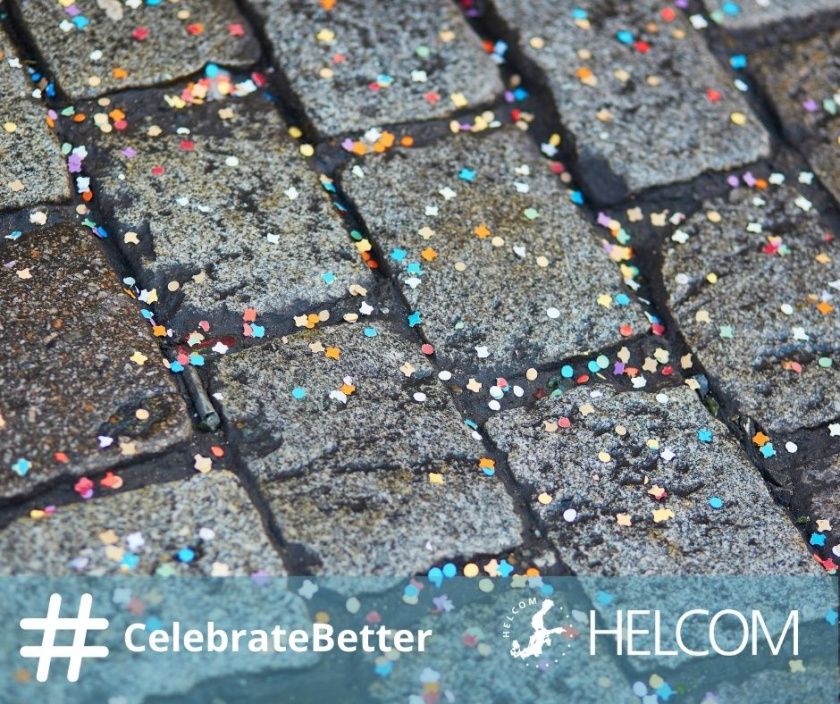
Plastic confetti, often used in celebrations, quickly scatters and accumulates in waterways. Unlike natural materials, it does not decompose, instead fragmenting into microplastics that persist for decades.
- Wildlife Harm: Fish, shellfish, and plankton ingest microplastic confetti, introducing toxins into the food chain—ultimately affecting human health through seafood consumption.
- Pollution Spread: Wind and water currents carry confetti far from its original source, contaminating coastlines, rivers, and even remote marine habitats.
- Sweden’s Lead: Recognizing this threat, Sweden has already banned outdoor plastic confetti use, setting an example for other nations to follow.