


Marine litter is a dirty business. When KIMO started lobbying and campaigning in 1990, even the term ‘marine litter’ was not well known. Through our seminal reports on the ‘Impacts of Marine Debris and Oil‘ and the ‘Economic Impacts of Marine Litter‘ we greatly raised awareness of the problems of marine litter.
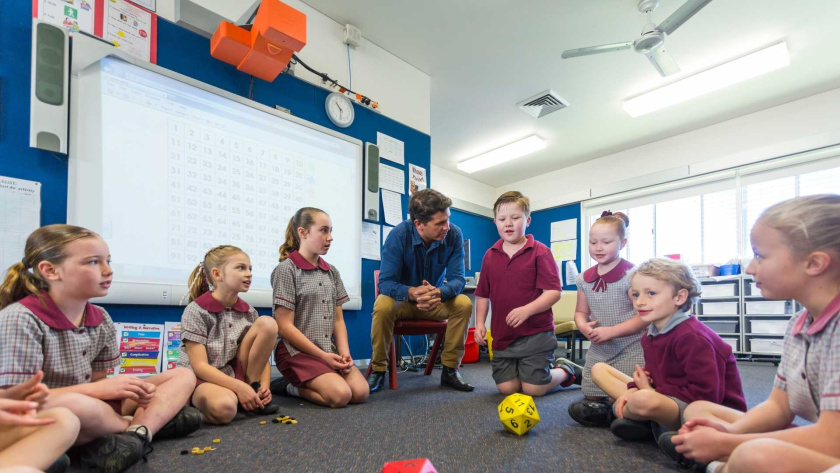
Now, KIMO UK has taken up the torch and developed a new set of educational resources aimed at helping children learn about marine litter in a fun and engaging way. We caught up with Lorna Wallace of KIMO UK to find out more about this exciting new resource.
Why is KIMO UK doing this?
LW: This is something which was available previously – 2017 with CD ROM and cardboard box filled with relevant items – we have updated the resource to make it relevant to now and available online without the need for special items – teachers should be able to use items readily available in classrooms. We are doing this as we want to engage with school pupils as they will be the adults of tomorrow and to raise awareness of environmental impact. Availability online – it is not restricted to only school usage – any interested parties can view and download.
How will this be used in schools?
LW: ‘We are hoping to organise pilots in local primary schools but it’s still at a very early stage. Ideally teachers could include it in their lesson plans but we are aware that we may need to organise dates to attend and engage with pupils supported by teachers – so we should know more after the initial pilots, feedback, etc., and move forward from there.’
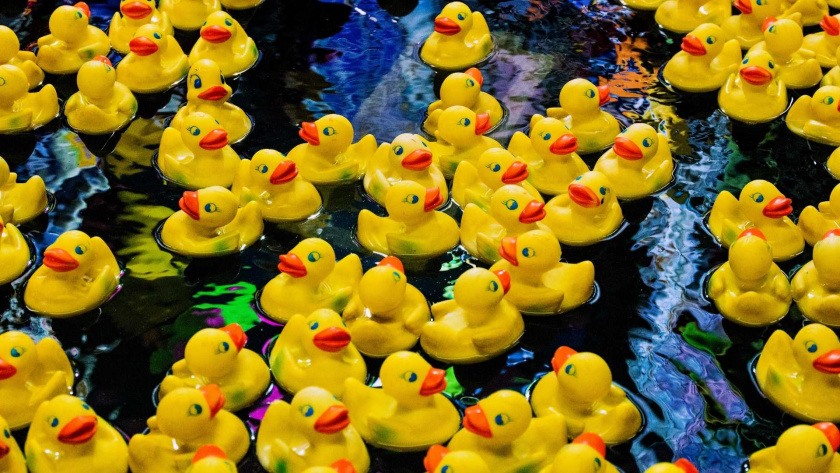
In activity pack ‘Marine Litter Lost at Sea’, students explore what happens to marine litter in the ocean through three interactive activities: two simple floating and sinking experiments and an interactive exercise ‘Plastic Adrift’ which simulates a real-life event in 1992 where 29,000 rubber ducks were lost at sea.
Activity pack ‘Marine Litter, Marine Life’ explores the effect of plastic litter on seabirds in a two-part hands-on team activity. Students pair up as seabird parents and participate in a ‘feeding frenzy’. Will they manage to feed their young and what happens if the chicks eat plastic marine litter by mistake?
In ‘Marine Litter: the problem with plastic’ students sort and classify different types of litter and make a degradation timeline to help them better understand what happens to litter once it’s been discarded into the environment.
All the educational resources comply with relevance requirements for the Curriculum of Excellence in Scotland. While they have been primarily developed for a Scottish audience, we have no doubt that they will prove useful to educators and students in Europe and across the world.
Please feel free to download and use them freely!