


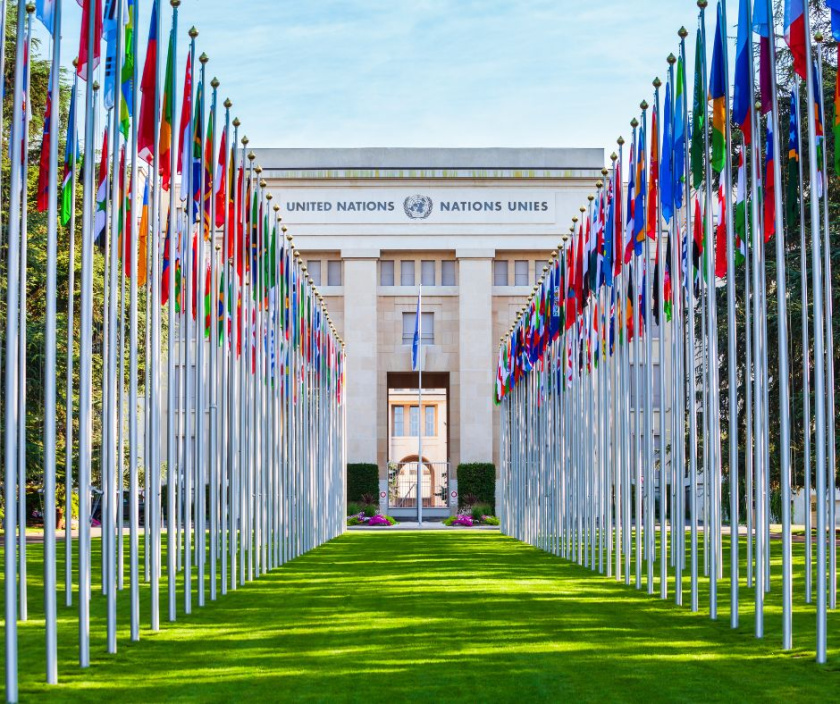
On March 2, 2022, at the UN Environment Assembly meeting, the countries of the world agreed on the historic decision to initiate negotiations on a new global agreement against plastic pollution. The first of a total of five negotiation meetings will take place at the end of November in Uruguay.
Plastic pollution is one of the biggest threats to the environment. Global plastic production has quadrupled in 40 years and the level of greenhouse gas emissions associated with the production, use and disposal of conventional fossil-based plastics is expected to grow to approximately 19 percent of the global carbon budget by 2040. If littering continues at the current rate, it is predicted that there will be more plastic than fish in the oceans by 2050. Plastic pollution also affects the three planetary crises; climate change, loss of biodiversity and pollution.
The goal of the UN is to establish a treaty by the end of 2024, to help this process, following a meeting in Senegal earlier on in the year it was recommended there should five Intergovernmental Negotiating Committee (INC) meetings over the next two years. The first of which is currently taking place in Punta Del Este, Uruguay from the 28thNovember-1st December 2022.
Before the first negotiation meeting, the Swedish delegation invited KIMO president, Jerry Ahlström, to an information meeting organised to facilitate dialogue with various stakeholders in Sweden. Mr Ahlström shared information about KIMO’s experience of removing marine plastics from the ocean with the help of the volunteer fishermen who take part in the Fishing for Litter project. Mr Ahlström addressed the meeting saying:
“Hundreds of tonnes of plastic is removed from the ocean each year. Most of it comes from the land. Whose responsibility is it to clean up this plastic?”
We thank the Swedish government for their invitation and trust that KIMO’s insights will inform the Swedish delegation’s contribution to the five Intergovernmental Negotiating Committee meetings for a strong global plastics treaty that will prioritise the health of our oceans.