


The entry into application of the European Union’s Packaging and Packaging Waste Regulation (PPWR) marks an important milestone in Europe’s transition towards a more circular economy.
The new regulation introduces stronger controls on packaging, including restrictions on PFAS in food-contact packaging, harmonised rules for producers and manufacturers, and new obligations designed to improve transparency and accountability throughout the packaging value chain.
For KIMO, which represents coastal municipalities working to protect marine and coastal environments, these developments are a welcome and necessary step forward. Reducing packaging pollution at source is far more effective than dealing with waste after it has entered the environment.
The introduction of limits on PFAS — often referred to as “forever chemicals” because of their persistence in the environment — is particularly significant. PFAS contamination is an increasing concern for marine ecosystems, coastal communities and public health. Stronger controls on their use in packaging represent an important contribution to preventing pollution before it occurs.
A more harmonised approach to packaging
The PPWR also supports a more harmonised European approach to packaging management. Common definitions and clearer responsibilities across EU Member States should make compliance easier for businesses operating across borders, while strengthening accountability throughout the packaging value chain.
Many of the regulation’s more far-reaching provisions on recyclability, reuse and recycled content will be phased in over the coming years. KIMO welcomes this clear direction of travel towards less waste, safer materials and more circular packaging systems.
Phased implementation is a natural feature of EU legislation and provides time for industry and public authorities to adapt. However, coastal communities continue to experience the impacts of packaging pollution every day. This makes swift, effective and ambitious implementation essential.
Further ambition is needed
As implementation progresses, KIMO believes there are several areas where policymakers should continue to raise their ambition.
- Restrictions on PFAS should go further. While controls on PFAS in food-contact packaging are an important starting point, policymakers should continue working towards the substitution and eventual phase-out of avoidable uses of PFAS in packaging wherever safe alternatives are available. This is particularly important for protecting recycling streams and preventing persistent chemicals from remaining in circulation within the economy.
- The polluter-pays principle should be strengthened. Producers already contribute to the collection, sorting and recycling of packaging waste through Extended Producer Responsibility schemes. However, local authorities often continue to bear significant costs associated with beach cleaning, harbour clean-ups and the removal of litter from coastal environments.
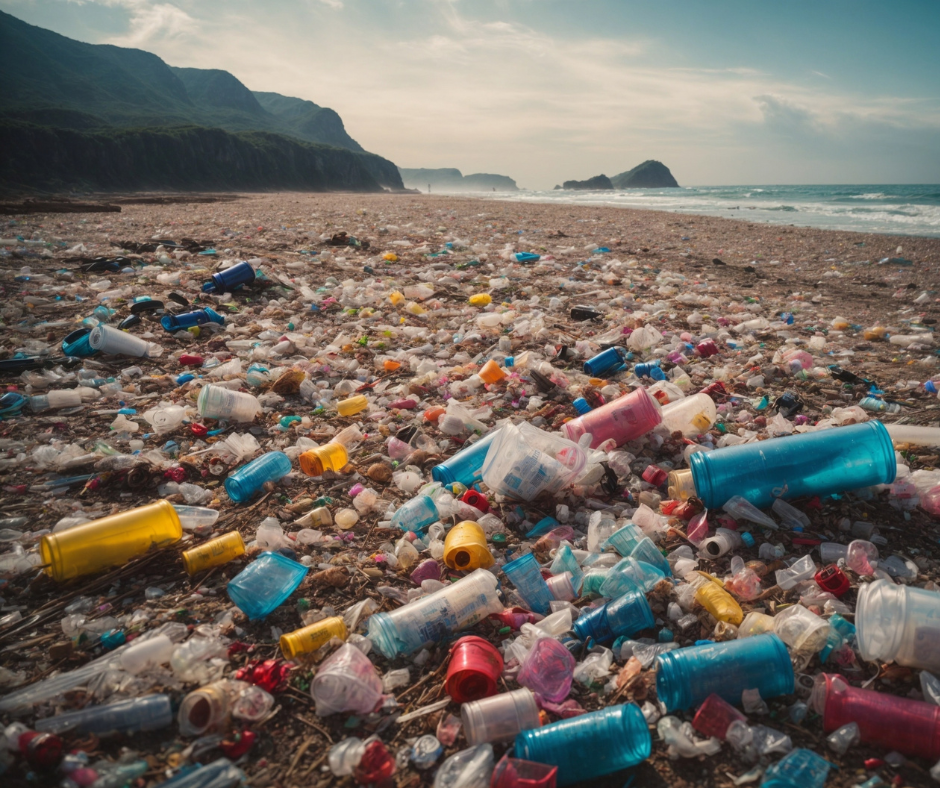
Greater consideration should therefore be given to how producer responsibility systems can help address these costs and provide greater support to communities dealing with packaging waste that escapes into the environment. - Success should be measured by environmental outcomes, not only recycling rates. A package can be technically recyclable and still become marine litter if it is commonly discarded or easily transported by wind and water. From a coastal perspective, reductions in beach litter, marine litter and microplastic pollution should be considered equally important indicators of progress. The effectiveness of the PPWR should ultimately be judged by whether it prevents pollution from reaching the environment.
- Finally, greater attention should be given to the packaging types most commonly found in the marine environment. Food wrappers, takeaway packaging, beverage containers and other lightweight packaging items continue to contribute significantly to coastal litter. Preventing pollution requires more than making packaging recyclable. It also requires reducing the likelihood that the most problematic items become litter in the first place, through better product design, reducing unnecessary packaging, improving reuse systems and implementing stronger measures to prevent littering and leakage into the environment.
From regulation to cleaner seas
The PPWR represents one of the most significant reforms of European packaging policy in decades, and KIMO welcomes its entry into application. Stronger controls on harmful substances, clearer producer responsibilities and measures to reduce packaging waste all represent positive progress.
As Europe moves from regulation to implementation, KIMO International will continue to advocate for policies that prevent pollution at source, support coastal municipalities and deliver measurable reductions in marine litter, microplastics and chemical pollution in Europe’s seas.
For coastal communities, the ultimate measure of success will not simply be the amount of packaging recycled. It will be the amount of pollution prevented from reaching the marine environment in the first place.