
In April 2017, KIMO attended OSPAR’s Environmental Impacts of Human Activities (EIHA) meeting in Cork, Ireland. OSPAR is the mechanism by which 15 Governments and the EU cooperate to protect the marine environment of the North-East Atlantic. KIMO’s interests are closely aligned with those of OSPAR. Since we have an observer’s seat at OSPAR we are able to participate in meetings and lobby them on issues of concern to KIMO members.

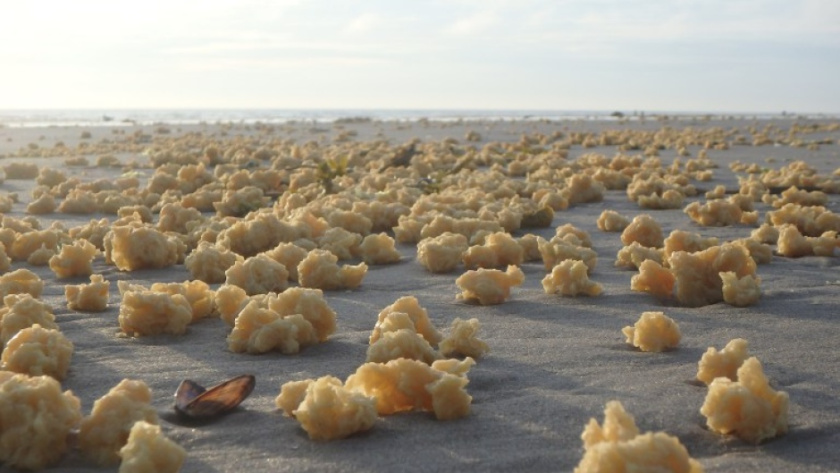
KIMO presented four papers to EIHA including one on the economic effects of paraffin pollution. Paraffin pollution continues to pose a significant problem for municipalities across Europe with new incidents being reported on a regular basis. Often, the costs of cleaning up this form of pollution fall on local government. If one adds to this the potential for environmental damage and risks to human health, the severity of the problem becomes even more apparent. We collected information from our members and several other sources about incidents of paraffin pollution on European shorelines and the costs of cleaning it up.
For some time we have been asking EIHA to put pressure on the International Maritime Organisation (IMO) to reclassify paraffin as a Category X substance i.e. banned from discharge from ship tank washings. Last year EIHA did not agree but in light of the information we presented together with support from Germany and pressure from other forums and organisations, our concerns received a more sympathetic ear this time round. One of the Contracting Parties asked us to share our findings and undertook to present this data at the IMO. This is a small but important step forward in our paraffin campaign. We will need to keep up the momentum if we wish to continue to push for a complete ban on the discharge of paraffin into the ocean.
KIMO members will be aware that we lobby and campaign on a diverse range of environmentally related topics including dumped munitions and marine litter. We were thus able to bring to light certain environmental concerns when these topics were discussed at the EIHA meeting.
The OSPAR guidelines on Best Environmental Practice in Cable-laying and Operation are currently being revised and the draft revision was presented at the meeting for discussion. When we read the revisions it was clear that there was no provenance given to the issue of disturbance through cable-laying of dumped chemical and conventional weapons and the risk this poses to safety at sea. KIMO suggested an amendment to the guidelines so that these risks were made clear and this was agreed by the meeting. Although much of the monitoring work regarding dumped munitions has already been achieved (thanks in no small part to KIMO’s intervention) it remains an area upon which we keep a watching brief.

The OSPAR guidelines on Fishing for Litter projects were written by KIMO some years ago and we were asked by the OSPAR ICG group on marine litter if we would write a draft update. This update was approved by EIHA and will be used by all 15 of the Contracting Parties when they implement or update Fishing for Litter schemes under the Regional Action Plan on Marine Litter. KIMO made a formal offer to OSPAR to allow them to use our Fishing for Litter logo to promote Fishing for Litter schemes run in accordance with the OSPAR guidelines. The offer was accepted. Our logo which is already a recognised brand will now be used even more widely with acknowledgement being given to KIMO for our seminal role in the Fishing for Litter project.
We will continue to represent the interests of our member municipalities at the highest political level as we strive for healthy seas and sustainable coastal communities to the benefit of all.