


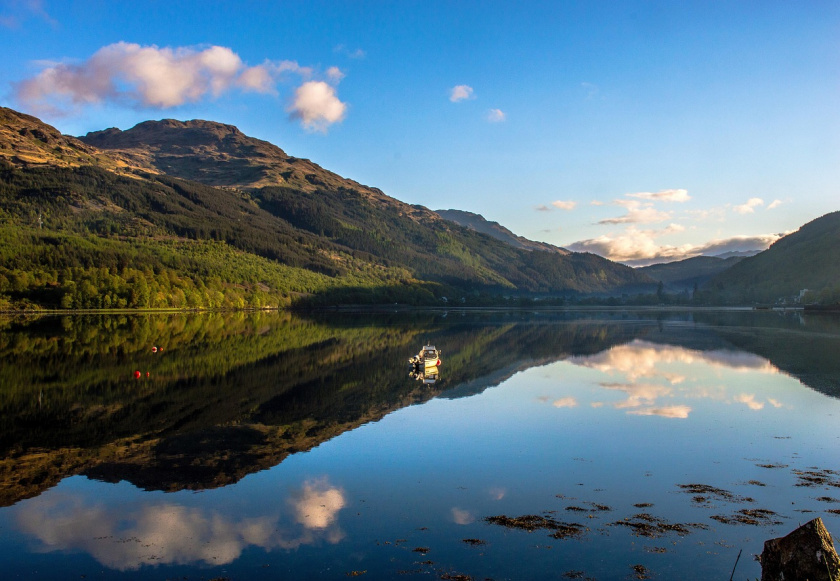
At the head of the beautiful Loch Long in Argyll (south west Scotland) a constant, unwanted tide of plastic pollution is being deposited. Known locally as the Arrochar ‘litter sink’, this foreshore has become a stark symbol of the global marine litter problem, funnelling waste from Scotland’s largest city and the Irish Sea onto its picturesque beaches.
The problem is a perfect storm of geography and oceanography. The Firth of Clyde’s unique shape, combined with prevailing south-westerly winds and the Earth’s rotation (the Coriolis effect), creates a powerful current. This current drives surface water—and the litter it carries—up the Clyde and into Loch Long. Simultaneously, freshwater flowing from the River Clyde, draining the heavily populated Glasgow area, carries its own load of urban debris. Where these two flows meet, they converge on Arrochar.
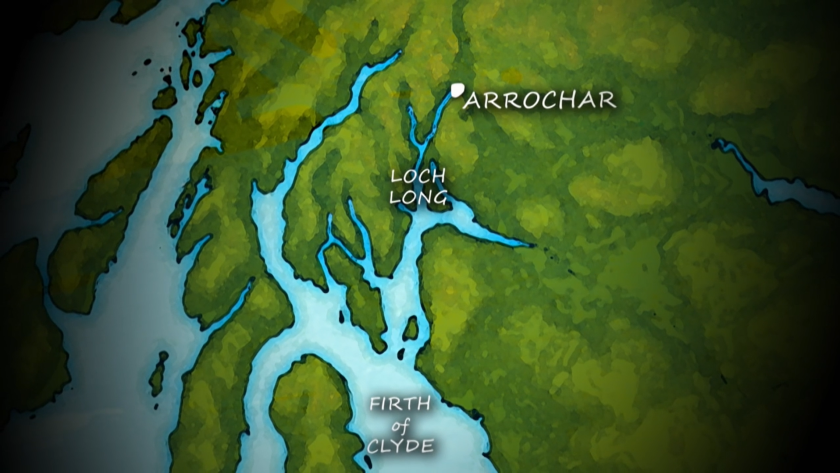
The result is that an estimated 62,000 items of litter wash up on the foreshore each year, with roughly half originating from the River Clyde catchment and half from the wider Irish Sea. This means Arrochar receives about 11% of all marine litter entering the Clyde, amounting to an estimated 1.2 tonnes of plastic waste annually.
A Marine Scotland report highlights the cruel twist to this environmental tragedy. For generations, the community valued the large volumes of seaweed (“wrack” or “ware”) that accumulated here, collecting it to fertilise fields and gardens. Today, that seaweed is so completely mixed with plastic—from bottles and shoes to nearly invisible microplastics—that it is no longer a resource, but a contamination problem. There is currently no known way to separate the plastic from the seaweed, turning a once-valued gift from the sea into a persistent pollution sink.
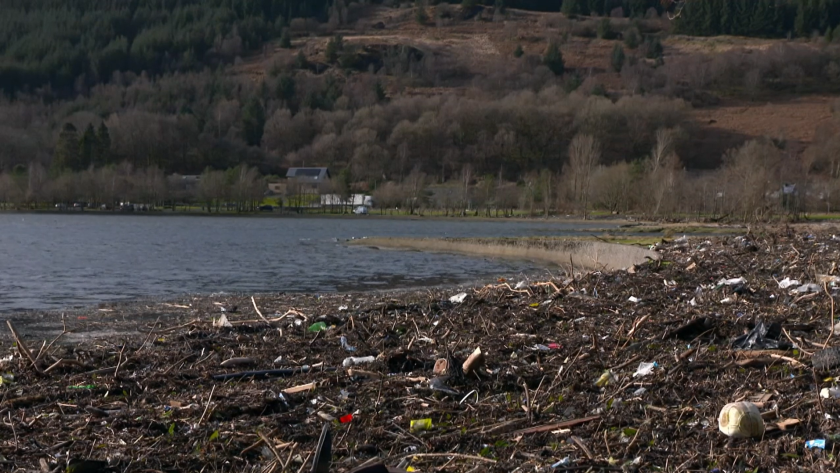
The BBC’s News coverage of the Arrochar sink underscores the frustration of local campaigners and the urgent need for action. They point to solutions like a well-designed Deposit Return Scheme (DRS) as a critical tool to stem the tide of waste at its source. The success of the scheme in the Republic of Ireland, which has captured almost a billion items in its first year and dramatically reduced drinks containers on beaches, offers a powerful example of what can be achieved.
KIMO’s Role: Prevention and Cure
Tackling a problem of this scale requires work on two fronts: removing existing litter and preventing more from entering our seas. This dual approach is at the heart of KIMO’s work.
For decades, KIMO has been a pioneer in developing and implementing solutions for cleaner seas. Our Fishing for Litter initiative directly involves the fishing industry in removing waste from the marine environment. By providing fishermen with bags to land the litter caught in their nets, we prevent it from being returned to the sea and ensure its proper disposal on land. This scheme actively removes the kind of persistent plastic waste that ends up in sinks like Arrochar.
Simultaneously, we work to prevent litter at its source through advocacy and international collaboration. KIMO has long been an advocate for implementing effective Deposit Return Schemes across our member nations. As the situation in Arrochar demonstrates, the problem is not local—it is a cumulative result of waste entering the water across a vast catchment area.
Robina Barton, KIMO UK Network Coordinator, commented on the situation:
The Arrochar ‘litter sink’ is a powerful and distressing example of how our throwaway culture doesn’t disappear, it just gets moved somewhere else. The plastic choking this beautiful loch is a problem for everyone, from the source in our towns and cities to the communities left to deal with the consequences. It perfectly illustrates why KIMO’s work is so vital. We need to both clean up the legacy waste, through schemes like Fishing for Litter, and urgently tackle the problem at source. A well-implemented Deposit Return Scheme across the UK is a crucial, common-sense step to stop this tide of bottles and cans from reaching our seas in the first place.
The Arrochar litter sink is a stark reminder that marine litter respects no boundaries. Solving it requires a concerted effort from governments, industries, and communities, working together to ensure that our seas are no longer a destination for our waste.