


This month the spotlight is on Våre Strender, an organisation doing excellent work in and with our Norwegian KIMO member municipalities, Arendal and Grimstad. By engaging the local community and local stakeholders, the organisation has made a big impact in the fight against marine pollution in southern Norway. Våre Strender is managed by a Co-operation Council consisting of staff from NORCE, Med Hjertet for Arendal, Grid-Arendal, Friluftsrådet Sør, the Volunteer Center Tromøy, Plastreturs Environmental Project, members of FIVH-A and Arendal Municipality. We caught up with Eugene Guribye, head of research at NORCE to find out more about Våre Strender’s work:
Please tell us a little more about how Våre Strender works
Våre Strender aims to facilitate co-creation to battle marine plastic pollution in Raet National Park in Southern Norway, stretching across the municipalities of Arendal, Tvedestrand and Grimstad. Working closely with the municipalities, the national park, local waste management companies, NGOs, a plethora of companies, and activists in the local community, the organization has been able to draw on the massive global engagement against marine plastic pollution and mobilize the local community in a mutual effort where everybody plays their part.
Could you give us a few real world examples of what you have achieved?
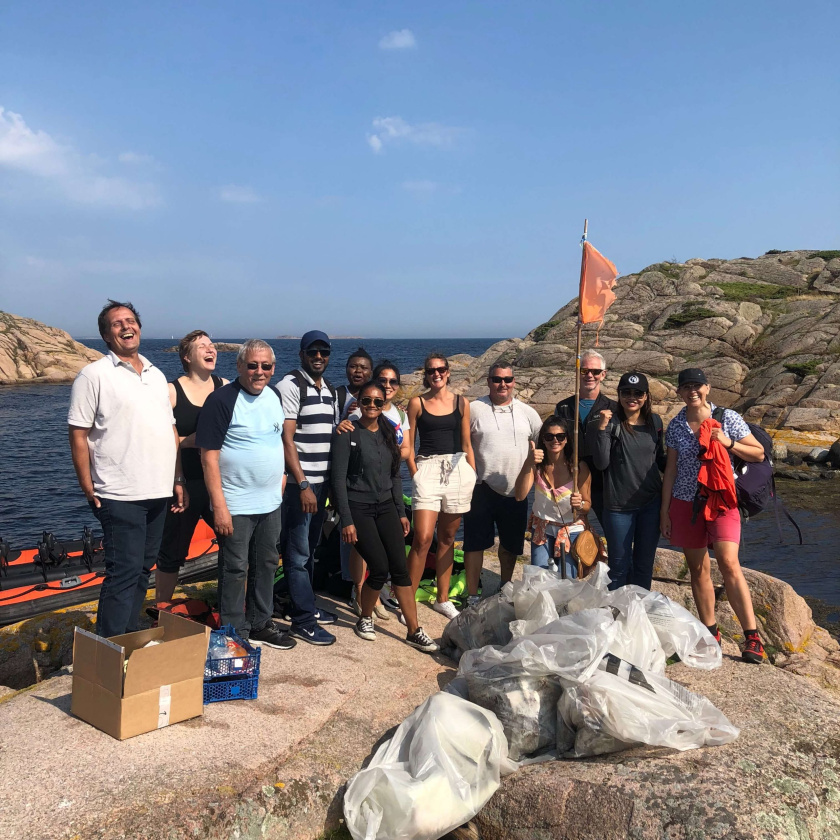
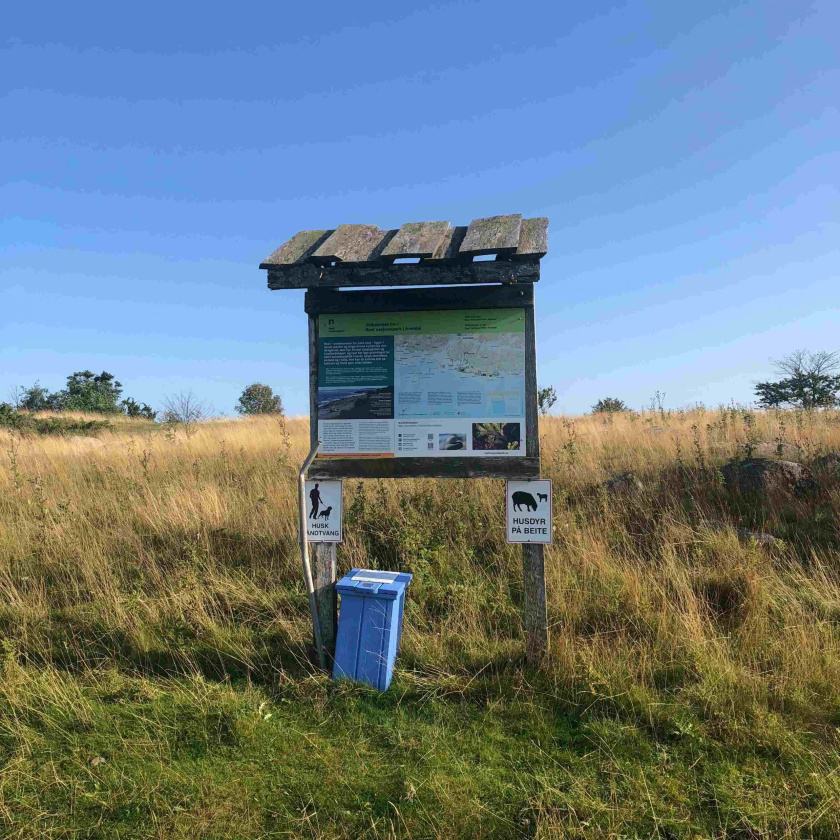
So far this year, an amazing 50 beaches and coastal areas have been adopted by the local community, making a commitment to clean their respectively adopted areas twice a year for plastic. This includes local schools, kindergartens, and NGOs, but also local companies who want to make a contribution. A number of boxes with cleanup gear have also been distributed around the national park to facilitate more spontaneous efforts. In collaboration with action researchers, the organization has also made specific efforts to include excluded groups in beach cleanups, including refugees, people recovering from drug abuse, unemployed and individuals serving community service. Results from the research indicates that these activities have contributed to a feeling of inclusion in both local and global movements. Furthermore, beach cleanups greatly contribute to awareness change in relation to reducing plastic waste.
Very inspiring examples! Do you focus mostly on beaches or do you also do work in the coastal zone?
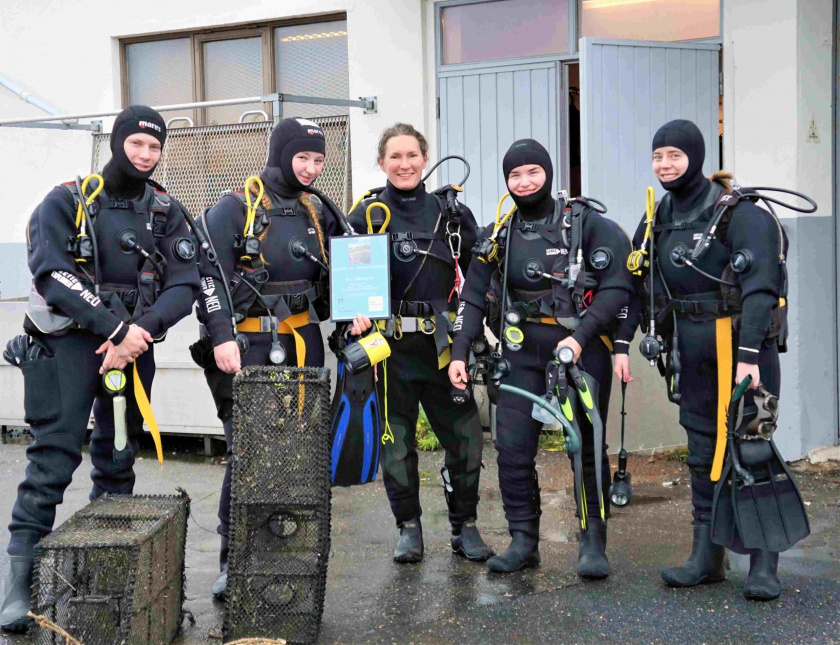
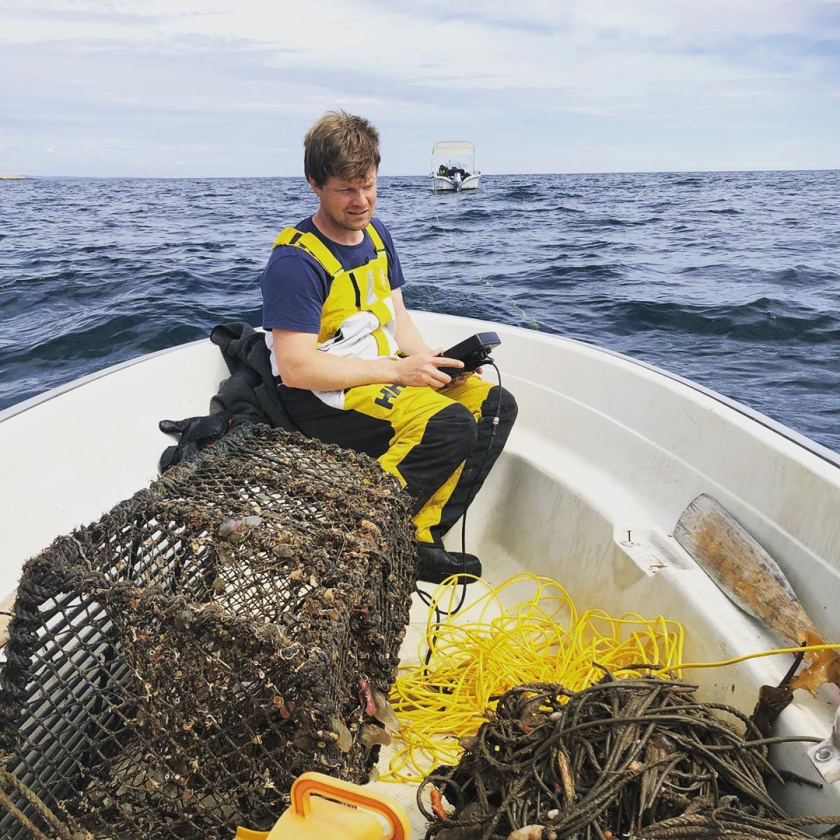
While these and many other activities have found place on land, the organisation has also coordinated considerable activities below the sea, using state of the art technology to recover so-called ghost-fishing equipment lost during the last 20 years or so. The combined efforts of the innovative business venture Green Bay, the local diving club Arendal Undervannsklubb, as well as local recreational fishermen and other stakeholders, has in 2019 alone resulted in the recovery of close to 500 lobster traps, fishing nets and other equipment.
What can municipalities learn from the success of Våre Strender?
The facilitation of co-creation in the local community in these ways seems to point towards a more sustainable solution to a mutual challenge than outsourcing the cleanup of marine plastic pollution to individual NGOs or companies.
We wish Våre Strender continued success in their important work and hope that their ‘best practice’ example serves to inspire other KIMO members.